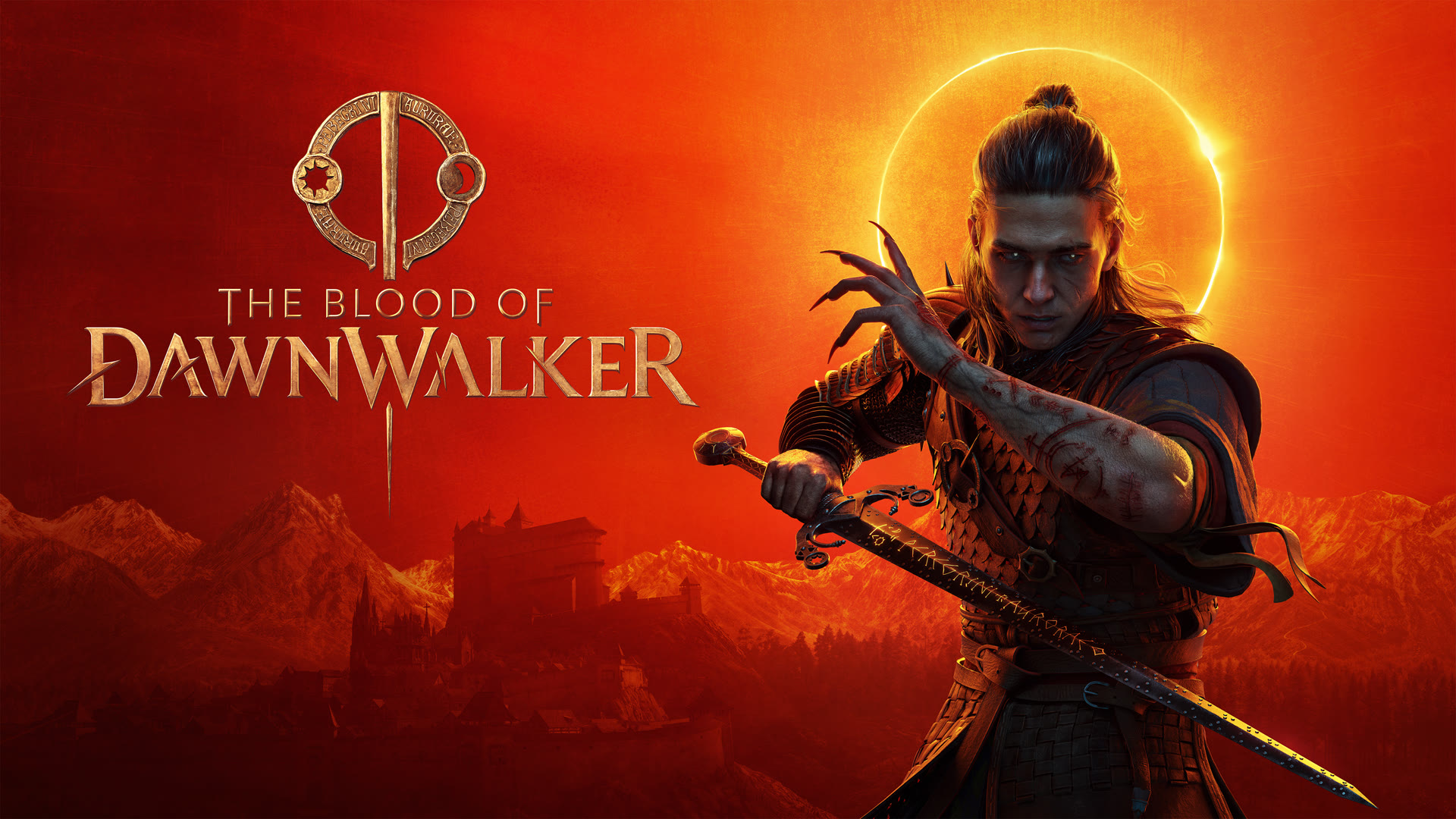
The Blood of Dawnwalker Reddit Buzz: Is It the Next Witcher?
Discover why The Blood of Dawnwalker is generating massive buzz on Reddit. We break down the time-management mechanics, combat, and dark narrative depth.
Table of Contents
The gaming community is buzzing with anticipation as former Witcher 3 developers at Rebel Wolves prepare their debut title. Discussions regarding The Blood of Dawnwalker on Reddit suggest this could be the mature, vampire-centric RPG fans have been craving for years.
This title is significant because it bridges the gap between familiar, high-quality open-world design and innovative, high-stakes mechanics. If you are wondering whether this game lives up to the "Witcher with vampires" label, here is an in-depth look at why it stands on its own merits.
A Revolutionary Approach to Time Management
One of the most discussed features in community circles is the game's unique time management system. Unlike traditional open-world RPGs where players can leisurely complete side quests without consequence, The Blood of Dawnwalker introduces a system where every action consumes time segments.
Urgency is Key: With a 30-in-game-day limit to save your family, every decision carries weight.
Dynamic Consequences: Quests can expire or change drastically depending on when you choose to tackle them.
World State Shifts: Certain events, such as the "Blood Mass," permanently alter the game world, closing off previous quest opportunities.
According to early hands-on impressions, this mechanic creates a palpable sense of pressure that forces players to prioritize their actions, making the narrative feel much more personal and consequential.
The Dual Nature of Koen: Human vs. Vampire
The protagonist, Koen, struggles with a vampiric affliction that dictates his capabilities and limitations. This isn't just a cosmetic change; it fundamentally alters gameplay.
Feature
Human Form (Day)
Vampire Form (Night)
Traversal
Standard ground movement
Wall climbing & teleportation
Combat
Witchcraft and hexes
Supernatural abilities
Risk
Low social suspicion
Insatiable blood cravings
As noted in Yong Yea's gameplay analysis, the hunger mechanic is particularly brutal. If your blood meter drops too low, the game may force Koen to feed on NPCs—even allies—during conversations. This loss of control creates a terrifying, immersive experience where your character’s biology can directly sabotage your quest objectives.
Combat Mechanics: A Blend of Styles
The combat system draws inspiration from The Witcher 3’s fluid swordplay but introduces a directional input system reminiscent of Kingdom Come: Deliverance. Players must manage their stance and block enemy attacks from four different directions.
While some players report a slight "jankiness" in traversal and animations, the combat feels purposeful. For those who prefer a more traditional experience, the game allows players to disable directional inputs in exchange for increased stamina consumption. This level of customization ensures that the difficulty remains fair while allowing for a high skill ceiling.
Is the Hype Justified?
The community sentiment is largely positive, with many praising the studio's ability to craft a dark, mature world that feels even grittier than the Witcher series. The emphasis on "quality over quantity" in the open world—where side quests are handcrafted and ripple through the narrative—is exactly what fans have been asking for.
No, the 30-day limit is a soft deadline for your primary mission to save your family. The game continues even if you fail, forcing you to live with the narrative consequences of your choices.
Is the combat too difficult for casual players?
The game offers options to simplify combat, such as disabling the directional input system. While it adds a layer of depth, it is not intended to be a punishingly difficult "Soulslike" experience.
Will my choices really change the story?
Yes. The developers have focused on systemic consequences. From side quests leading to character executions to accidental killings caused by vampiric hunger, your actions determine who lives, who dies, and how the world evolves.