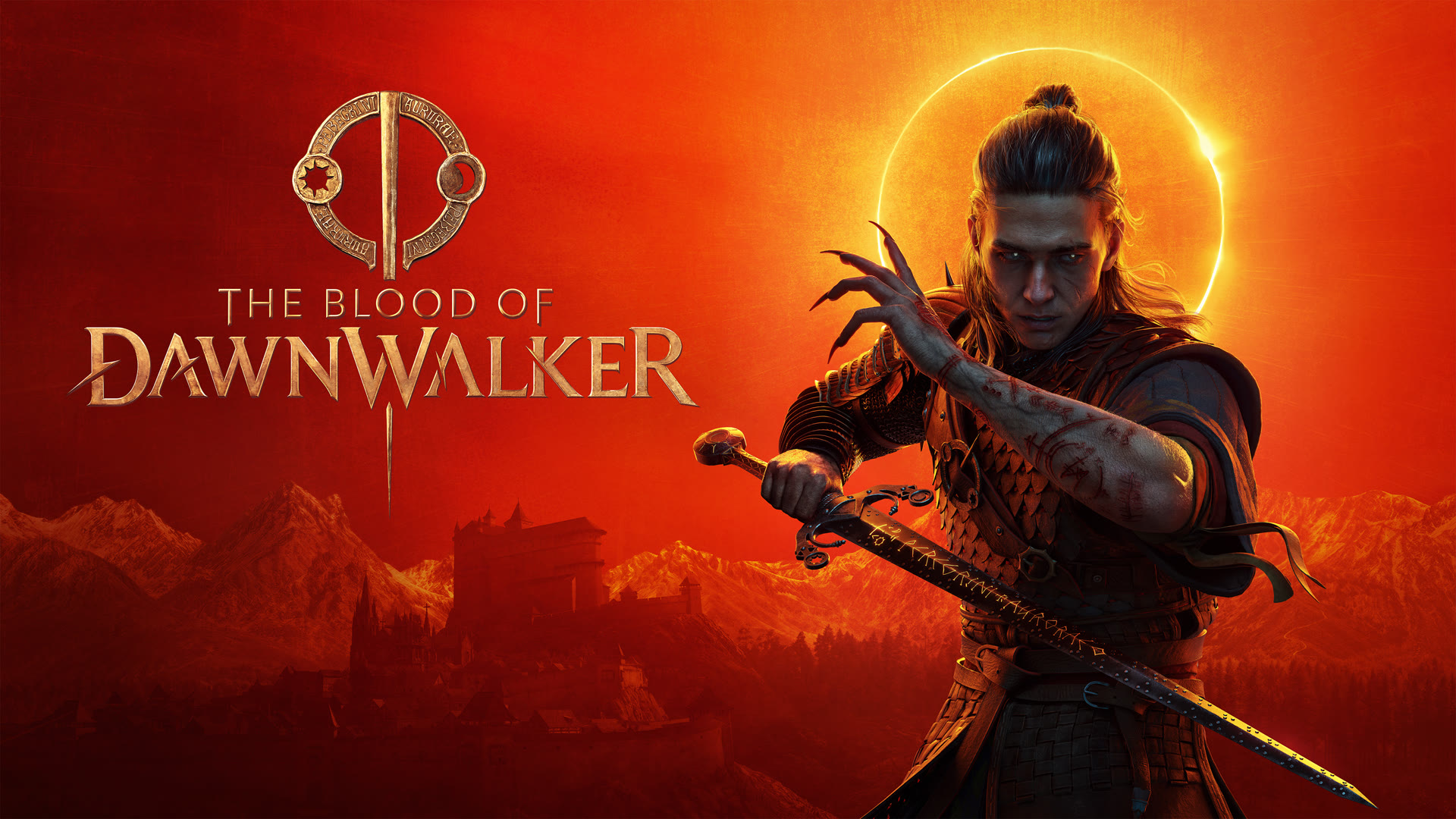
The 30-day countdown in The Blood of Dawnwalker has sparked intense debate among RPG fans, often leading players to worry about missing content or triggering an early game-over. In reality, this system is a brilliant narrative tool that transforms every decision into a high-stakes choice rather than a simple ticking clock. Understanding how this mechanic functions is essential to fully appreciating the game's unique, choice-driven structure.
Video Guide
Table of Contents
Dispelling the Myth: Does the Game End?
The most common misconception about The Blood of Dawnwalker is that you must complete the game within 30 in-game days or face an immediate "fail state." According to IGN's detailed breakdown of the time system, the game does not end when time runs out.
Instead, the 30-day limit is specifically tied to the quest to save your family. If you fail to reach them in time, the story simply shifts, opening up different narrative branches and outcomes. You can continue playing long after the initial deadline passes, making the "time limit" more of a story-shaping resource than a traditional barrier.
How the Time System Actually Works
Think of your 30-day window as a finite pool of "time currency." You start with 480 available segments of time, and you must decide how to invest them across the game world.
- Action-Based Progress: Time only advances when you perform specific actions marked with an hourglass icon.
- Free Exploration: You can wander, loot, and explore the environment for as long as you like without the clock moving, provided you avoid time-consuming tasks.
- Quest Costs: Engaging in certain dialogues or quest objectives will consume chunks of your 480-unit budget, forcing you to prioritize what matters most to your character.
The Narrative Sandbox Philosophy
Rebel Wolves has designed the game as a "Narrative Sandbox," meaning the main quest to save your family is the only mandatory objective. Everything else, from recruiting allies to dismantling the vampire Brencis’ power structure, is optional.
Community reports from players suggest that this creates a highly personalized experience. Because you cannot do everything, your choices about which quests to ignore carry real weight. This design mimics classic, old-school RPGs where your actions—or inactions—permanently close off certain story branches, ensuring your playthrough feels uniquely yours.
Strategic Time Management Tips
To navigate the world effectively, consider these strategies based on recent player experiences:
| Activity | Time Cost | Impact on Gameplay |
|---|---|---|
| Main Quest Objectives | High | Essential for progress and story outcomes. |
| Side Quests | Variable | Provides allies/gear but consumes precious days. |
| Looting/Exploration | Zero (Mostly) | Great for gathering resources without wasting time. |
| Leveling/Skills | Moderate | Necessary for strength, but costs in-game hours. |
- Prioritize Ruthlessly: If a side quest feels like it won't help you defeat the vampire threat, don't be afraid to skip it.
- Manage Your Upgrades: Since leveling up can consume time, plan your skill point allocation during downtime rather than mid-mission.
- Embrace the Consequences: Don't reload a save just because you missed a quest; seeing where your mistakes lead is part of the intended experience.
Frequently Asked Questions
Does time pass while I am in the inventory or talking to NPCs?
According to community reports, time is strictly tied to specific actions. While simple exploration is free, certain dialogue choices and menu interactions—like leveling up—will consume your time budget.
Can I finish the game in less than 30 days?
Yes. If you choose to ignore side content and focus solely on the main quest, you can reach the final confrontation with Brencis very quickly. However, this is significantly more difficult, as you will lack the allies and power-ups gained through side missions.
Is the time limit a reason to avoid the game?
Absolutely not. Many players who were initially skeptical found that the time pressure actually makes the game more immersive. It forces you to roleplay a character who has to make tough, often selfish decisions, which is a rare and refreshing experience in modern RPGs.
Are there mods to remove the time limit?
While some mods exist to extend the timer, using them may undermine the intended narrative experience. The game is specifically balanced around the 30-day resource, and removing it might make the stakes of your decisions feel less impactful.
Sources and known gaps
- How The Blood of Dawnwalker's 30 Day Countdown Works
- Don't let the time limit put you off The Blood of Dawnwalker...